The Spiritual Awakening Hidden Inside Your Burnout
What If Burnout Is Not a Breakdown, but Your Soul Asking You to Come Home?
There is a moment that so many of us reach where everything just feels… heavy. You have been running on empty for so long that you forgot what it feels like to be full. Your body aches, your mind won’t quiet down, and somewhere deep inside, there is a whisper you have been ignoring. A whisper that says: this is not who you are meant to be.
I know that place well. And if you are reading this, I have a feeling you might know it too.
We tend to think of burnout as a productivity problem, something to fix so we can get back to “normal.” But what if burnout is actually something far more sacred than that? What if it is your spirit drawing a line in the sand, refusing to let you abandon yourself for one more day?
From a spiritual perspective, burnout is not just exhaustion. It is a disconnection from your inner self, your truth, your worth. It is what happens when you pour from a cup that was never being refilled, when you silence your intuition so many times that your body has to scream to get your attention.
According to research published in the Frontiers in Psychology, burnout is closely linked to a loss of personal meaning and purpose. That tells us something important: this is not just about being tired. This is about losing touch with what makes you you.
So let’s explore this differently. Instead of just recovering from burnout, let’s talk about how to spiritually rebuild from the inside out, and how to create a life that your soul actually wants to live in.
Have you ever felt like burnout was trying to tell you something deeper about your life?
Drop a comment below and let us know what that inner whisper has been saying to you.
Burnout as a Spiritual Wake-Up Call
Here is something I truly believe: burnout does not happen to people who don’t care. It happens to people who care so deeply that they forget to include themselves in that circle of care.
If that is you, please hear me when I say this. The fact that you burned out does not mean you are broken. It means you have been giving a version of love to the world that you have not been giving to yourself. And your spirit, your beautiful, wise, inner knowing, is done watching you do that.
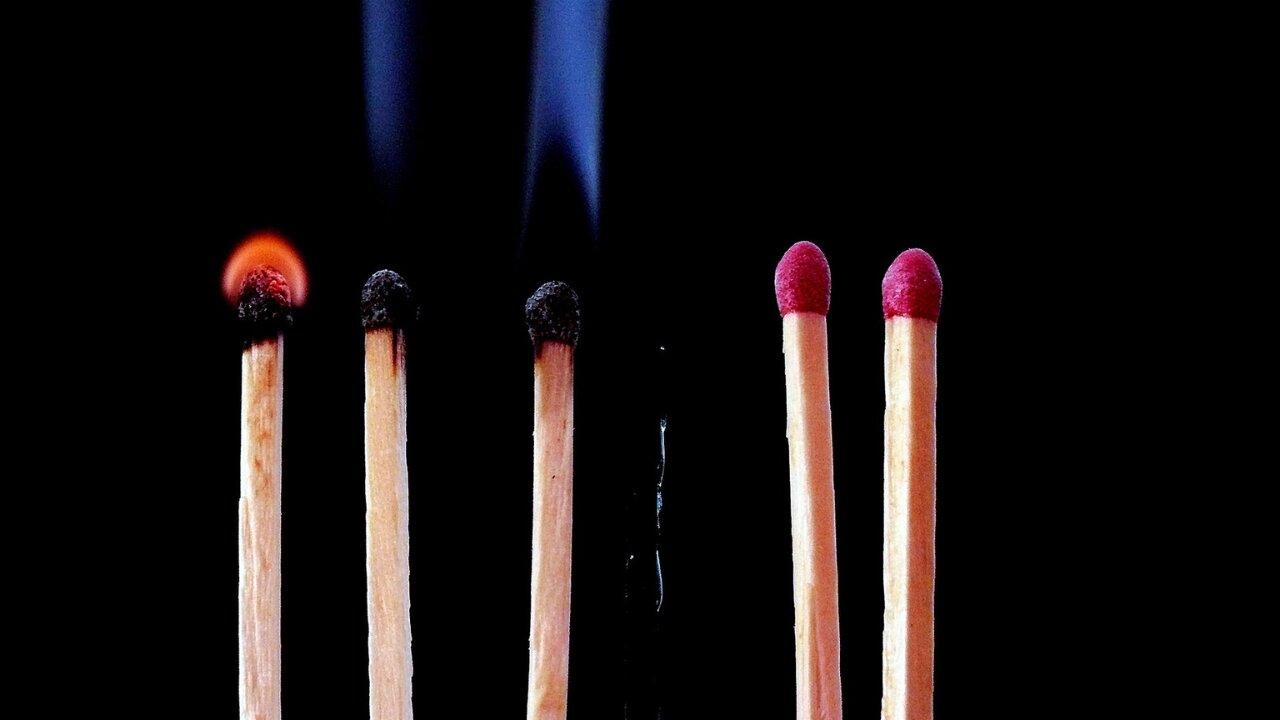
In many spiritual traditions, a breakdown is seen as a precursor to a breakthrough. The old way of being has to crumble before something more aligned can emerge. Think of it like a forest fire. It looks like destruction, but underneath, the soil is being renewed. New growth is already waiting.
Your burnout is that fire. And the new growth? That is the version of you who finally puts herself first, not out of selfishness, but out of self-love.
Reconnecting With Your Inner Voice
The first step in healing spiritually from burnout is getting honest with yourself. Not the “I’m fine, just tired” kind of honest. The real, raw, sitting-with-yourself kind of honest.
When was the last time you truly checked in with yourself? Not your to-do list, not your obligations, but you. Your heart. Your energy. Your spirit.
Burnout thrives in silence and denial. It grows in the gap between how you actually feel and how you pretend to feel. Closing that gap starts with one brave act: admitting the truth to yourself.
Try this. Sit somewhere quiet, put your hand on your heart, and ask yourself: How am I really doing? Then listen. Don’t judge what comes up. Don’t try to fix it immediately. Just listen. Your intuition has been trying to reach you. Give it space to speak.
This is the foundation of self-love in action. It is not bubble baths and affirmation cards (though those are lovely). It is the willingness to face yourself fully and say, “I see you, and I am not going to abandon you anymore.”
Releasing the Guilt and Practicing Self-Compassion
Once you have acknowledged where you are, the next thing that tends to show up is guilt. The “I should have known better” voice. The “Why did I let it get this bad?” spiral. Sound familiar?
Here is the spiritual truth about guilt: it is not wisdom. It is a pattern. It keeps you looking backward when your healing needs you to look inward.
Dr. Kristin Neff’s research on self-compassion, published through the Center for Mindful Self-Compassion, shows that self-compassion is far more effective than self-criticism in helping people recover from emotional exhaustion. People who practice self-compassion are more resilient, more motivated, and more emotionally stable.
So instead of beating yourself up for burning out, try placing your hand on your heart and saying: I did the best I could with what I knew. Now I know more, and I choose differently.
This is not about letting yourself off the hook. It is about recognizing that you are a human being, not a machine. Your worth was never meant to be measured by your output. Your soul knows this, even if the world has tried to convince you otherwise.
Finding this helpful?
Share this article with a friend who might need it right now.
Surrendering to Stillness
This is where so many of us struggle, because we have been conditioned to believe that rest is laziness. That slowing down means falling behind. That stillness is unproductive.
But from a spiritual perspective, stillness is the most powerful thing you can practice. It is in the quiet moments that we reconnect with who we truly are beneath all the roles, responsibilities, and expectations.
When you are burned out, your nervous system is in overdrive. Your body is flooded with stress hormones. Your energy field, if you are someone who connects with that concept, is completely depleted. The only way to begin restoring yourself is to stop.
Not just physically stop. Spiritually stop. Stop striving. Stop performing. Stop trying to earn your place in this world through exhaustion.
Start with five minutes of stillness a day. Sit with your eyes closed. Breathe slowly. If meditation feels too structured, just be present. Watch the light change in your room. Feel the weight of your body in the chair. Notice you are alive. That is enough.
A study published in JAMA Internal Medicine found that mindfulness meditation programs showed significant improvement in anxiety, depression, and stress. This is not just spiritual philosophy. The science backs it up.
Give yourself permission to be still. Not as a reward for finishing your to-do list, but as a right. You deserve rest simply because you exist, not because you have earned it.
Welcoming Support as a Spiritual Practice
There is a belief that many women carry (often unconsciously) that needing help means they have failed somehow. That asking for support is a sign of weakness. That a truly strong woman handles everything on her own.
Can I be honest with you? That belief is not strength. It is a cage.
Spiritually, we are not meant to do this alone. We are interconnected beings. Receiving is just as sacred as giving. In fact, when you allow someone to help you, you are giving them the gift of being needed, of mattering, of contributing to something meaningful.
So if someone offers to help, say yes. If no one has offered, ask. Be specific about what you need. Maybe it is someone picking up groceries this week. Maybe it is a friend who will sit with you in silence. Maybe it is a professional, a therapist, a coach, a healer, who can guide you through this season.
Asking for help is not the opposite of self-love. It is self-love. It is you saying, “I matter enough to be supported.”
Redesigning Your Life from a Place of Alignment
Once you have rested and reconnected with yourself, comes the part that actually prevents burnout from returning. And this is where the spiritual work gets real.
You have to look at your life honestly and ask: What here is aligned with who I truly am, and what is not?
This does not mean you need to burn your life down and start over (though if that thought excites you, pay attention to that). It means making intentional, soul-led choices about how you spend your energy going forward.
Maybe it looks like setting a boundary with someone who drains you. Maybe it means reconnecting with a passion you abandoned years ago. Maybe it is as simple as starting each morning with three minutes of gratitude instead of immediately reaching for your phone.
The key is alignment. When your outer life reflects your inner values, burnout loses its grip on you. You stop running on adrenaline and start living on purpose.
Small, consistent, soulful shifts are what create lasting change. Not dramatic overhauls. One mindful breath in the morning. One firm “no” to something that does not serve you. One moment of choosing your own well-being over someone else’s expectations.
These tiny acts of self-devotion compound over time. They rebuild your energy. They restore your sense of self. They remind your spirit that you are listening again.
You Are Not Behind. You Are Being Redirected.
If you are in the middle of burnout right now, I want you to know something. This is not a failure. This is a turning point. Your spirit is not punishing you. It is protecting you. It is pulling you away from a path that was slowly dimming your light and redirecting you toward one that honors who you really are.
Healing from burnout is not a weekend project. It is a spiritual practice. It asks you to slow down in a world that rewards speed. It asks you to be gentle with yourself in a culture that demands perfection. It asks you to choose yourself, maybe for the first time ever.
And I promise you, lovely, you are worth that choice. Every single time.
We Want to Hear From You!
Which part of this resonated most with your spirit? Tell us in the comments below. Your words might be exactly what another woman needs to read today.
Read This From Other Perspectives
Explore this topic through different lenses