The Relationship Glow Is Real, and Here’s What It Actually Takes to Get It
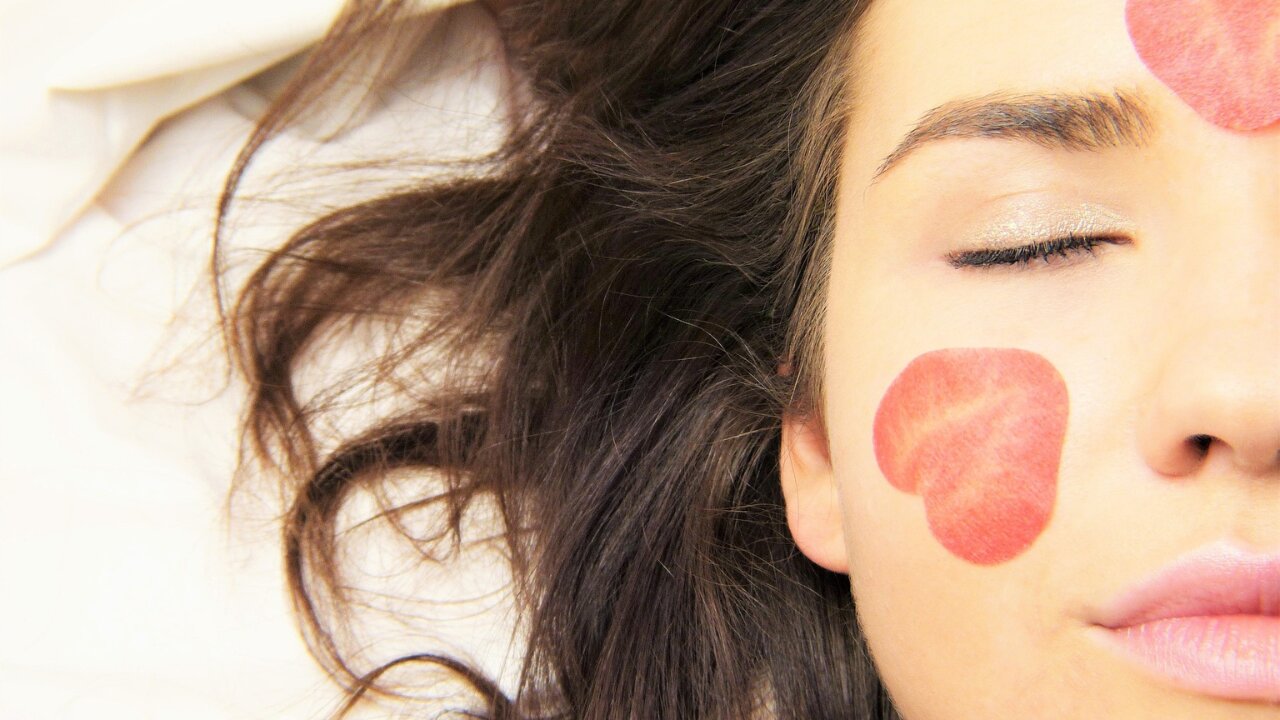
You know that friend? The one who starts seeing someone new and suddenly her skin is clear, her eyes are bright, and she looks like she just walked off a tropical vacation? You ask her what products she’s using and she just shrugs and says, “I don’t know, I’m just really happy.” Meanwhile, you’re sitting there with your fourteen-step skincare routine, wondering why happiness seems to be the one serum you can’t find at Sephora.
Here’s the thing, friend. The “relationship glow” isn’t some made-up concept your coupled-up friends throw around to make single people feel bad. It’s actually rooted in science. But (and this is the part nobody talks about) it has very little to do with the other person and almost everything to do with what a good relationship unlocks inside of you. And on the flip side? A bad relationship can wreck your skin faster than a week of sleeping in your makeup.
I learned this the hard way. I was in a relationship a few years back where I was constantly walking on eggshells. I wasn’t sleeping. I was stress-eating garbage. I was crying more than I care to admit. And my skin? It was telling on me. Breakouts along my jawline, dark circles that no concealer could touch, and this dull, grayish tone that made me look perpetually exhausted. Because I was. Emotionally, physically, all of it. When that relationship finally ended, I remember looking in the mirror about three weeks later and thinking, “Oh. There you are.” My skin was already starting to come back to life, and I hadn’t changed a single product.
So let’s talk about what actually creates that glow, whether you’re in a relationship, dating, or happily doing your own thing. Because it turns out, the way you love and the way you let yourself be loved shows up on your face more than you’d think.
Stress Is the Worst Skincare Ingredient (and Bad Relationships Are Full of It)
Let’s start with the obvious one. Cortisol, your body’s primary stress hormone, is an absolute nightmare for your skin. When you’re in a relationship that keeps you in a constant state of anxiety (checking their phone, analyzing texts, waiting for the other shoe to drop), your body is flooded with it. According to Harvard Health, chronic stress triggers a cascade of inflammatory responses that break down collagen, increase oil production, and compromise your skin’s ability to repair itself.
I think about all the times I’ve seen friends go through toxic situationships and watched their skin just fall apart. It’s not vanity to notice that. Your skin is your largest organ, and it responds to emotional turmoil the same way it responds to physical illness. That persistent breakout along your chin? That unexplained redness? Before you blame your cleanser, take an honest look at your relationship. Is it nourishing you or depleting you?
The beautiful part is that the reverse is also true. Healthy relationships, the ones where you feel safe, seen, and genuinely cared for, actually lower cortisol levels. Your nervous system settles. Your sleep improves. And your skin starts doing what it’s designed to do: regenerate, glow, and protect you. That’s not romance novel nonsense. That’s biology.
Have you ever noticed your skin changing during a relationship, for better or worse?
Drop a comment below and let us know. We’ve all been there.
Hydration, But Make It Emotional
You’ve heard a million times that drinking water is the secret to good skin. And yes, it absolutely is. But here’s the relationship angle that nobody is talking about: when you’re emotionally dehydrated, you tend to be physically dehydrated too.
Think about the last time you were going through relationship drama. Were you reaching for a glass of water or a glass of wine? Were you meal-prepping nourishing food or ordering Uber Eats at midnight because you were too drained to cook? Be honest. I already told you about my energy-drink-and-cocktail era. What I didn’t mention was that it lined up perfectly with the most emotionally chaotic period of my dating life. Coincidence? Not even a little bit.
When we feel emotionally fulfilled, when our cup is full (pun very much intended), we naturally make better choices for ourselves. We drink the water. We eat the salad. We go to bed at a reasonable hour instead of doom-scrolling through our ex’s Instagram at 2 AM. A report from the American Psychological Association confirms that relationship satisfaction directly influences health behaviors, including hydration, nutrition, and sleep quality.
So if you’re in a relationship that leaves you feeling empty, ask yourself this: are you filling yourself back up? Or are you pouring from a cup that’s been dry for months? Your skin knows the answer, even if you’re not ready to say it out loud.
The Power of Safe Touch
This one is fascinating to me. Physical touch, specifically the kind that comes from someone you trust, actually changes your skin at a cellular level. We’re not just talking about feeling good. We’re talking about measurable, physiological changes. When someone you love touches you (holds your hand, rubs your shoulders, traces their fingers along your arm), your body releases oxytocin. Oxytocin reduces inflammation, promotes wound healing, and has been shown to positively impact skin health and regeneration.
I remember reading about this for the first time and it blew my mind. The idea that being loved, truly, safely loved, can literally make your skin healthier? That’s the kind of science that makes you want to hug everyone you care about immediately.
But here’s the flip side, and it’s important. Touch from someone who makes you feel unsafe does the opposite. It triggers a stress response. Your body tenses. Cortisol spikes. Your skin pays the price. The type of relationship you’re in matters just as much as whether or not you’re in one. This is why some people leave a long-term relationship and suddenly look ten years younger. It wasn’t the breakup that healed them. It was the absence of harmful touch and the return to safety in their own body.
If you’re single right now, this doesn’t mean you’re missing out. Self-massage, facial massage techniques, even the simple act of applying your own skincare with intention and gentleness, can trigger similar responses. The key ingredient isn’t another person. It’s safety.
Finding this helpful?
Share this article with a friend who might need it right now.
Boundaries Are the New Retinol
Stay with me here. I know that sounds like something you’d see on a motivational Pinterest board, but I genuinely believe it. Setting boundaries in your relationships is one of the most powerful things you can do for your skin. Here’s why.
When you don’t have boundaries, you say yes when you mean no. You stay up late having arguments that could have been a simple conversation. You absorb other people’s emotions like a sponge. You people-please until you’re running on fumes. And all of that manifests physically. The tension headaches that make you furrow your brow (hello, premature forehead lines). The clenched jaw that leads to breakouts along your jawline. The sleepless nights that leave you puffy and dull.
I used to be the queen of no boundaries. I would bend over backwards for partners, friends, family, anyone who asked. And I wore it on my face. Literally. It wasn’t until I started learning how to set real boundaries that I noticed a shift, not just in my relationships, but in my skin. I was sleeping better. I was less inflamed (emotionally and dermatologically). I stopped grinding my teeth at night. My esthetician actually asked me what I changed in my routine, and I laughed because the answer was: I started saying no to things that didn’t serve me.
The glow isn’t just about what you put on your skin. It’s about what you stop putting up with.
Sleep, Intimacy, and the Skin Repair Cycle
Let’s talk about sleep for a second, because it’s deeply tied to both your relationships and your skin. Your skin does the majority of its repair work while you sleep. Collagen production, cell turnover, hydration rebalancing, it all happens between the hours of roughly 10 PM and 2 AM. If you’re not sleeping during those hours, your skin is missing its prime repair window.
Now think about how many nights of sleep have been stolen by relationship stress. The late-night arguments. The anxious waiting for a text back. The lying awake next to someone wondering if they still love you. Every one of those sleepless nights showed up on your face the next morning, and not just as bags under your eyes. Your skin was literally unable to heal itself.
On the other hand, healthy intimacy (and I don’t just mean sex, though that’s part of it) promotes deeper, more restorative sleep. The oxytocin released during close physical contact with a trusted partner helps regulate your sleep cycle. You fall asleep faster. You stay asleep longer. And your skin gets the uninterrupted repair time it needs.
If you’re in the dating phase and sleep feels elusive because of excitement or anxiety, that’s normal. But if you’re months or years into a relationship and you still can’t sleep peacefully, that’s worth examining. Your skin is keeping score, even when you’re not.
The Glow Comes From Alignment, Not Another Person
Here’s what I really want you to take away from all of this. The “relationship glow” everyone talks about isn’t actually about being in a relationship. It’s about being in alignment. It’s about living in a way where your emotional state, your physical habits, and your sense of safety all work together instead of against each other.
Some of the most radiant women I know are single. They glow because they’ve done the work. They’ve healed from past heartbreak, set boundaries that protect their peace, and built lives that nourish them from the inside out. Their skin reflects that, not because of some miracle product, but because they’re not constantly being drained by someone who doesn’t deserve their energy.
And some of the most radiant women I know are in partnerships. They glow because they chose someone who makes them feel safe. Someone who makes them laugh until their cheeks hurt. Someone who holds space for them to rest, truly rest, without anxiety.
The common thread isn’t relationship status. It’s emotional health. And your skin, beautiful, honest, impossible-to-fake skin, will always tell the truth about where you stand.
So the next time someone asks you about your skincare routine, maybe the most honest answer isn’t a product name. Maybe it’s: “I finally stopped tolerating relationships that dimmed my light.” Because that, friend, is the ultimate glow-up.
We Want to Hear From You!
Tell us in the comments which tip resonated most with you. Have you ever experienced the “relationship glow” (or its opposite)? We’d love to hear your story.
Read This From Other Perspectives
Explore this topic through different lenses