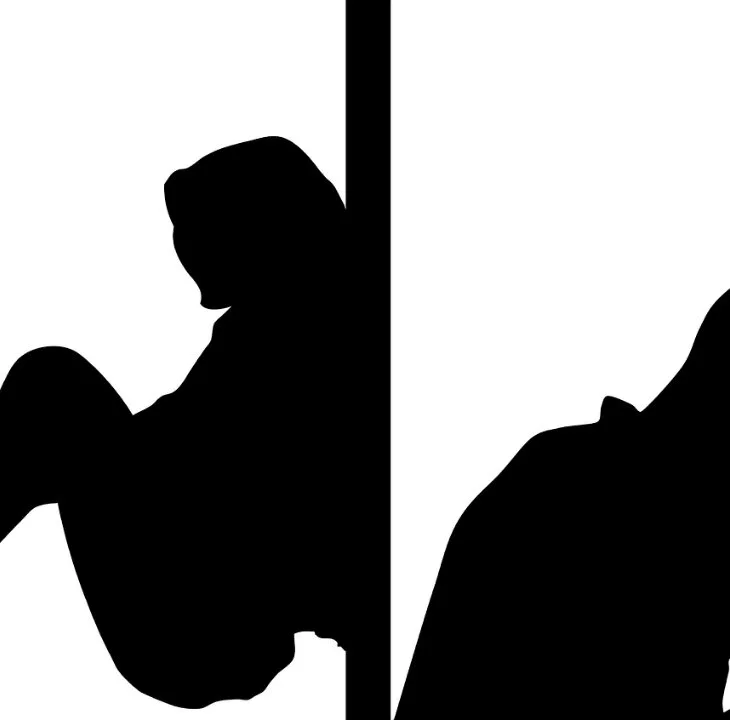
The Spiritual Practice of Sitting With Discomfort Instead of Running From It

The Moment I Stopped Running From Myself
I remember the exact season when everything inside me felt like it was unraveling. Not in some dramatic, made-for-TV kind of way, but in that quiet, suffocating way that nobody around you notices. I had been avoiding stillness for years. Filling every gap with noise, with plans, with other people’s problems, with anything that kept me from having to sit with the one thing I was terrified of: myself.
The discomfort was not new. It had been building for a long time. But I had become so skilled at outrunning it that I genuinely believed I was fine. Until the day I was not.
I tried meditating for the first time during that period, and I lasted approximately ninety seconds before I felt like my skin was crawling. The silence was unbearable. Every thought I had been suppressing came flooding in, and my first instinct was to grab my phone, turn on a podcast, do literally anything to escape the feeling of being alone with my own mind.
If you have ever felt that kind of inner restlessness, the kind where being still feels almost physically painful, I want you to know something. That discomfort is not the enemy. It is the invitation.
Have you ever tried to sit in silence and found it almost unbearable? What came up for you in that stillness?
Drop a comment below and let us know. You might be surprised how many of us share the same experience.
Why We Are Wired to Avoid Discomfort (and Why That Matters Spiritually)
Here is the truth that most personal growth content glosses over: our brains are literally designed to keep us comfortable. The nervous system’s primary job is survival, and survival means avoiding pain. So when you feel that pull to scroll instead of journal, to binge a show instead of sit with your grief, to stay in a situation that is familiar even when it is slowly draining you, that is not weakness. That is biology doing exactly what it was built to do.
But spiritual growth asks something radical of us. It asks us to override that wiring. Not recklessly, not without support, but intentionally.
Research published in Behaviour Research and Therapy has shown that experiential avoidance, the habit of pushing away uncomfortable internal experiences, is one of the strongest predictors of anxiety, depression, and diminished well-being. In other words, the more we run from discomfort, the louder it gets.
From a spiritual perspective, this makes complete sense. Every tradition, from Buddhism to Sufism to indigenous wisdom, teaches some version of the same lesson: the path to inner peace runs directly through the center of what you are avoiding. Not around it. Through it.
I spent years trying to find the shortcut. There is not one.
The Discomfort Is the Curriculum
When I finally committed to a daily meditation practice (and I mean really committed, not just the version where I did it when I felt like it), the first few weeks were brutal. My mind raced. My body fidgeted. I kept thinking about all the things I should be doing instead. I wanted to quit every single day.
But something started to shift around week three. The discomfort did not disappear, but my relationship with it changed. I stopped bracing against it and started getting curious about it. What was underneath the restlessness? What was I so afraid of finding if I got quiet enough to listen?
The answers that surfaced were not comfortable either. Old grief I had never processed. Resentment I had been carrying like a second skin. A deep, aching loneliness that no amount of socializing had ever touched because it was not about other people. It was about me. It was about the fact that I had abandoned myself a long time ago and never come back.
That realization was the beginning of everything. Not because it felt good, but because it was true. And truth, even when it stings, is where real healing begins.
Self-Love Is Not Comfortable (and Nobody Tells You That)
We have been sold this idea that self-love is bubble baths and affirmations in the mirror. And sure, those things have their place. But the kind of self-love that actually transforms your life? It is gritty. It is uncomfortable. It requires you to look at the parts of yourself you have been hiding from and say, “I see you, and I am not leaving.”
Self-love is setting the boundary that makes your stomach drop. It is walking away from the relationship that looks perfect on paper but leaves you feeling hollow. It is admitting that you have been performing a version of yourself that was never really you. It is choosing your own growth over other people’s comfort, including your own surface-level comfort.
According to Dr. Kristin Neff’s research at the University of Texas at Austin, self-compassion is strongly linked to emotional resilience and psychological well-being. But here is the part people miss: self-compassion is not the absence of difficulty. It is the willingness to stay present with yourself during difficulty. It is the practice of being your own safe place when everything else feels uncertain.
That takes courage. Real, bone-deep courage.
Finding this helpful?
Share this article with a friend who might need it right now.
Finding Your “Why” on the Spiritual Path
One of the things that kept me running for so long was that I did not have a clear reason to stop. I knew I was not happy, but I could not articulate why the inner work mattered enough to endure the discomfort of doing it.
Everything changed when I got honest about what avoiding myself was actually costing me. It was costing me my relationships, because I could not be present with anyone else when I was not present with myself. It was costing me my creativity, my joy, my sense of purpose. I was going through the motions of a life that looked fine from the outside but felt completely hollow on the inside.
My “why” was simple: I wanted to come home to myself. I wanted to feel like I was actually living, not just surviving in a comfortable fog.
Your why does not need to be grand or poetic. Maybe you are tired of the anxiety that hums beneath the surface of every good day. Maybe you are exhausted from performing for people who do not even see you. Maybe you just want to wake up in the morning and feel something other than dread. That is enough. That is more than enough.
If you are struggling to name what is driving your restlessness, I wrote about breaking through the negative patterns that keep us stuck, and it might help you start untangling what is underneath.
The Practice of Staying
Here is what I have learned after years of doing this work, imperfectly, inconsistently, and sometimes while crying on my bathroom floor: the practice is not about getting comfortable. It is about building your capacity to stay.
Stay in the meditation when your mind is screaming at you to stop. Stay in the journaling session when the words start hitting too close to home. Stay in the conversation with yourself when every instinct says to distract, numb, or shut down.
You do not have to stay forever. You do not have to white-knuckle your way through a trauma response without support. But you practice staying a little longer than you did yesterday. That is where the growth lives.
A 2023 study in Frontiers in Psychology found that individuals who practiced mindfulness-based acceptance of uncomfortable emotions showed significant improvements in emotional regulation and overall life satisfaction. Not because the discomfort went away, but because they stopped fighting it.
Read that again. The discomfort did not go away. They just stopped letting it run the show.
Starting Where You Are (Not Where You Think You Should Be)
If you have been avoiding your inner world for a while, please hear me when I say this: you do not need to have it all figured out before you begin. You do not need the perfect morning routine, the right crystals, the ideal meditation app, or a spiritual mentor on speed dial.
You just need to be willing to get quiet for five minutes and see what comes up.
That is it. That is the whole starting point.
Sit somewhere without your phone. Close your eyes. Breathe. And when the discomfort comes (because it will), instead of reacting to it, just notice it. Where do you feel it in your body? What is it trying to tell you? Can you give it space without trying to fix it or make it go away?
This is the beginning of a spiritual practice that will change everything. Not because it is easy, but because it teaches you the most radical truth there is: you can handle more than you think you can. You are stronger than the discomfort. You always have been.
And if you need a reminder that transformation often comes from the most unexpected places, let that be your permission slip to start messy, start scared, start today.
Write It Down, Make It Real
One practice that changed my relationship with discomfort more than almost anything else was journaling. Not the curated, aesthetic kind. The raw, honest, “I cannot believe I am writing this” kind.
Write down what you are afraid of. Write down what you have been avoiding. Write down your why. Put it somewhere you will see it. Let it be imperfect and uncomfortable and real.
Because here is what I know for certain: you will never outgrow the need to sit with discomfort. Life will keep presenting you with new edges to soften into. But every time you choose to stay instead of run, you are building a deeper relationship with yourself. You are proving to your own soul that you are worth staying for.
And you are. You always have been.
We Want to Hear From You!
Tell us in the comments which part of this resonated most with you. What is the discomfort you have been avoiding, and what would it look like to finally sit with it?
Read This From Other Perspectives
Explore this topic through different lenses