Cyclical Self-Care: Honoring Your Body’s Natural Rhythm During Your Period
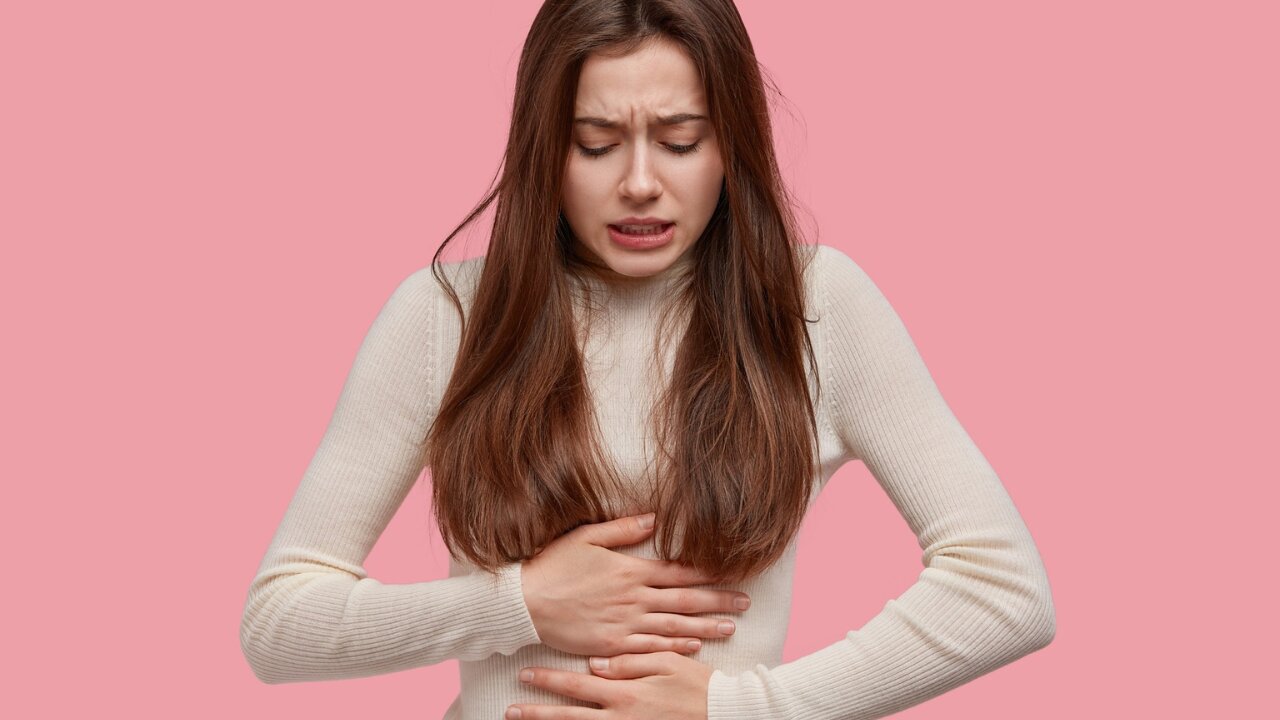
Read the original version of this article by Sienna Reyes: Cyclical Self-Care: 11 Tips on How to Make the Most of Your Period.
Why Cyclical Self-Care Changes Everything
Self-care has become one of the most talked about concepts in wellness circles, appearing everywhere from glossy magazines to perfectly curated Instagram feeds. While some dismiss it as a buzzword, there is something genuinely revolutionary about the collective awakening to the importance of caring for ourselves. The conversation is finally shifting from productivity at all costs to something more sustainable and nurturing.
However, much of mainstream self-care has become synonymous with facials, manicures, and spa days. While there is absolutely nothing wrong with pampering yourself, true self-care runs much deeper. It involves listening to your body’s innate wisdom and honoring its natural rhythms, particularly the one that half the world experiences every single month: menstruation.
Cyclical self-care is the practice of aligning your rest, activities, and energy output with your menstrual cycle. Rather than fighting against your body’s natural ebb and flow, this approach invites you to work with it. The result? More energy, better mood regulation, and a profound sense of being at home in your own body.
Understanding Your Cyclical Nature
Before diving into practical tips, it is essential to understand why cyclical self-care matters so profoundly. Women are not designed to operate in the same linear fashion as men. While testosterone levels in men remain relatively stable day to day, allowing for consistent energy output, women experience hormonal fluctuations throughout a roughly 28-day cycle that affect everything from energy levels to cognitive function to emotional processing.
According to research published in the journal Frontiers in Neuroscience, hormonal fluctuations across the menstrual cycle influence brain structure, cognitive performance, and emotional regulation. This is not a weakness but rather a feature of feminine biology that, when understood and honored, becomes a source of tremendous power.
The menstrual phase, specifically the first few days of your period, represents your body’s natural reset button. During this time, both estrogen and progesterone drop to their lowest levels, signaling your body to rest and restore. Fighting against this biological imperative by maintaining your usual pace is essentially asking for burnout.
How do you typically feel on the first day of your period?
Drop a comment below and let us know whether you push through or allow yourself to rest.
The Four Phases of Your Cycle
To practice cyclical self-care effectively, it helps to understand the four distinct phases your body moves through each month:
Menstrual Phase (Days 1-5)
This is your winter season, a time for introspection, rest, and letting go. Energy is at its lowest, and your body is doing significant work to shed the uterine lining. This phase calls for gentleness, warmth, and minimal external demands.
Follicular Phase (Days 6-14)
As estrogen begins rising, you enter your inner spring. Energy starts returning, creativity blossoms, and you may feel more social and optimistic. This is an excellent time for brainstorming and starting new projects.
Ovulatory Phase (Days 15-17)
Your inner summer arrives with peak energy, confidence, and communication skills. Estrogen and testosterone reach their highest points, making this ideal for presentations, difficult conversations, and high-energy activities.
Luteal Phase (Days 18-28)
The autumn of your cycle brings rising progesterone and a gradual turning inward. You may notice increased attention to detail and a desire to complete projects. As this phase progresses, energy wanes, signaling the approach of menstruation.
Creating Your Monthly Self-Care Sanctuary
The menstrual phase deserves special attention because it sets the tone for the entire month ahead. When you honor your body’s need for rest during this time, you create a foundation of restored energy that carries you through the more active phases. Here are practical ways to transform your period into a sacred self-care ritual.
Transform Your Bed Into a Healing Sanctuary
Your bed becomes your command center during menstruation. Invest in making it the most comfortable, nurturing space possible. Fresh, clean sheets signal to your nervous system that this is a special time. Layer soft blankets for warmth and comfort, and surround yourself with supportive pillows. Keep everything you might need within arm’s reach: water, snacks, your phone charger, a good book.
This is not about being lazy but rather about being strategic. The energy you conserve now will be available to you later in your cycle when you are naturally more productive.
Embrace Natural Pain Relief
For those who experience menstrual cramps, heat therapy remains one of the most effective and accessible remedies. A study published in Evidence-Based Nursing found that continuous low-level topical heat therapy was as effective as ibuprofen for treating menstrual pain. Hot water bottles, wheat packs, or heating pads applied to your lower abdomen or back can provide significant relief without any side effects.
Essential oils offer another layer of natural support. Clary sage, lavender, and Roman chamomile have all been studied for their ability to reduce menstrual discomfort. Dilute a few drops in a carrier oil like coconut or almond oil and massage gently onto your abdomen. You can also diffuse these oils in your bedroom to create a calming atmosphere.
Finding this helpful?
Share this article with a friend who might need it right now.
Herbal Allies for Your Cycle
Plants have supported women through their cycles for thousands of years. Some herbs worth exploring include vitex (chasteberry) for hormone balance, nettle for its iron content, and ginger for cramp relief. Raspberry leaf tea has been used traditionally to tone the uterus and ease cramping. Creating a warm, nourishing tea ritual during your period adds both physical benefits and a sense of ceremony to your self-care practice.
However, herbs are powerful medicine. Always consult with a qualified herbalist or naturopath before beginning any herbal protocol, especially if you take medications or have underlying health conditions.
Journal Your Way to Clarity
The menstrual phase brings a unique quality of intuition and inner knowing. With the veil between your conscious and subconscious mind thinner than usual, insights flow more freely. Dreams become more vivid and meaningful. This is not the time to act on every idea that comes to you, but it is the perfect time to capture them.
Keep a journal by your bed and write without censoring yourself. Record your dreams upon waking. Notice patterns in your thoughts and emotions. Ask yourself reflective questions: What am I ready to release? What needs my attention this coming month? What does my body need from me right now?
Move Gently
While high-intensity exercise is best saved for other phases of your cycle, gentle movement during menstruation can actually help with pain and mood. Restorative yoga, slow walks in nature, or gentle stretching all support circulation and emotional processing without depleting your already low energy reserves.
Yoga Nidra, sometimes called yogic sleep, is particularly well-suited to this phase. This guided meditation practice induces deep relaxation while you remain conscious. Some practitioners claim that 20 minutes of Yoga Nidra equals several hours of regular sleep in terms of restorative benefits. Apps like Insight Timer offer countless free Yoga Nidra sessions you can do right from bed.
Nourish with Intention
There is a reason chocolate cravings intensify during your period. Your body is seeking magnesium and the mood-boosting compounds found in cacao. Rather than reaching for highly processed chocolate bars, consider making a warm self-care ritual with raw cacao. A simple hot cacao drink made with plant milk, raw cacao powder, a touch of honey, and a pinch of cinnamon satisfies the craving while actually supporting your body.
Focus on warming, easy-to-digest foods during this time. Soups, stews, and cooked vegetables are easier on your system than raw foods and cold drinks. Iron-rich foods help replenish what is lost through bleeding, so consider incorporating leafy greens, legumes, and if you eat meat, quality red meat.
Upgrade Your Period Products
The products you use during menstruation matter more than you might think. Many conventional pads and tampons contain synthetic materials, bleaches, and fragrances that can irritate sensitive tissues. Consider exploring alternatives like organic cotton products, menstrual cups, or period underwear from brands like Thinx or Modibodi. These options are not only gentler on your body but also better for the environment.
Give Yourself Permission to Rest
Perhaps the most radical act of cyclical self-care is simply giving yourself full permission to do less. In a culture that glorifies busyness and constant productivity, choosing to rest when your body asks for it is revolutionary. It is also deeply practical.
According to the Harvard Health guidance on women’s hormonal health, working with your natural rhythms rather than against them leads to better long-term health outcomes. When you rest during menstruation, you are not being lazy. You are investing in your capacity to show up fully during the more active phases of your cycle.
Making It Work in the Real World
Not everyone has the luxury of taking an entire day off each month. If your work or family responsibilities do not allow for a full rest day, you can still incorporate cyclical self-care principles in smaller ways.
Perhaps you wake up 30 minutes earlier to journal in peace before the demands of the day begin. Maybe you pack a thermos of nourishing tea and a hot water bottle for your desk. You might decline optional social commitments during your menstrual phase, saving your social energy for when it comes more naturally.
Even small acknowledgments of your cyclical nature make a difference. Simply being aware of where you are in your cycle and adjusting your expectations accordingly is a form of self-care. You do not have to do it perfectly to benefit from it.
The Ripple Effects of Cyclical Living
When you begin honoring your menstrual phase, something interesting happens. The benefits extend far beyond those few days each month. You develop a deeper relationship with your body and its wisdom. You become more attuned to your own needs and better at meeting them. You may find that your energy throughout the entire month becomes more balanced and sustainable.
Many women who practice cyclical self-care report reduced PMS symptoms, more predictable cycles, less severe cramps, and improved mood throughout the month. While scientific research on these specific outcomes is still emerging, the anecdotal evidence is compelling enough to warrant trying it for yourself.
There is also something deeply healing about reclaiming a part of yourself that has been shamed or hidden for so long. Menstruation is not something to be endured or pushed through. It is a powerful process of renewal that half the world experiences each month. Treating it with reverence rather than inconvenience changes your relationship with your own body in profound ways.
We Want to Hear From You!
Tell us in the comments which cyclical self-care practice you are most excited to try this month.
Frequently Asked Questions
What is cyclical self-care and how is it different from regular self-care?
Cyclical self-care is the practice of aligning your self-care activities with the natural phases of your menstrual cycle. Unlike regular self-care, which tends to be applied uniformly regardless of how you feel, cyclical self-care recognizes that your needs change throughout the month. During menstruation, this means prioritizing rest and gentle activities, while other phases might call for more active forms of care.
Can I practice cyclical self-care if I have an irregular period or do not menstruate?
Yes, you can still practice cyclical living even without a regular period. Women who do not menstruate due to hormonal birth control, menopause, or health conditions can follow the lunar cycle instead, treating the new moon as a menstrual phase and the full moon as an ovulatory phase. The principle of cycling through rest and activity phases remains beneficial regardless of whether you are bleeding.
How do I know which phase of my cycle I am in?
The simplest way to track your cycle is to mark the first day of your period as Day 1 and count forward. Many apps like Clue, Flo, or Natural Cycles can help you track patterns over time. Pay attention to physical signs like cervical fluid changes and basal body temperature, as well as how you feel emotionally and energetically. Over time, you will develop an intuitive sense of where you are in your cycle.
What are the best essential oils for period pain relief?
Some of the most effective essential oils for menstrual discomfort include clary sage, lavender, bergamot, Roman chamomile, and ylang-ylang. Always dilute essential oils in a carrier oil like coconut or almond oil before applying to skin. A blend of lavender and clary sage massaged onto the lower abdomen is particularly soothing for cramps. You can also diffuse these oils to create a calming atmosphere.
Is it okay to exercise during my period?
Gentle movement during your period can actually help with cramps and mood, but this is not the time for intense workouts. Restorative yoga, walking, gentle stretching, and swimming are all good options. Listen to your body: if you feel like resting, honor that. Your high-energy workouts will be more effective during the follicular and ovulatory phases when your hormones support intense activity.
Why do I crave chocolate during my period?
Chocolate cravings during menstruation are your body’s way of seeking magnesium, which tends to drop during this phase, as well as mood-boosting compounds like phenylethylamine. Instead of processed chocolate, try raw cacao, which contains higher levels of these beneficial compounds. A warm cacao drink or a few squares of dark chocolate (70% cacao or higher) can satisfy the craving while actually supporting your body.
Have questions about this article?
Discuss with Your AI Coach
Let's Talk