My Body Kept the Score Long Before I Hit Rock Bottom, and Recovery Started When I Finally Listened
The Health Crisis Nobody Talks About
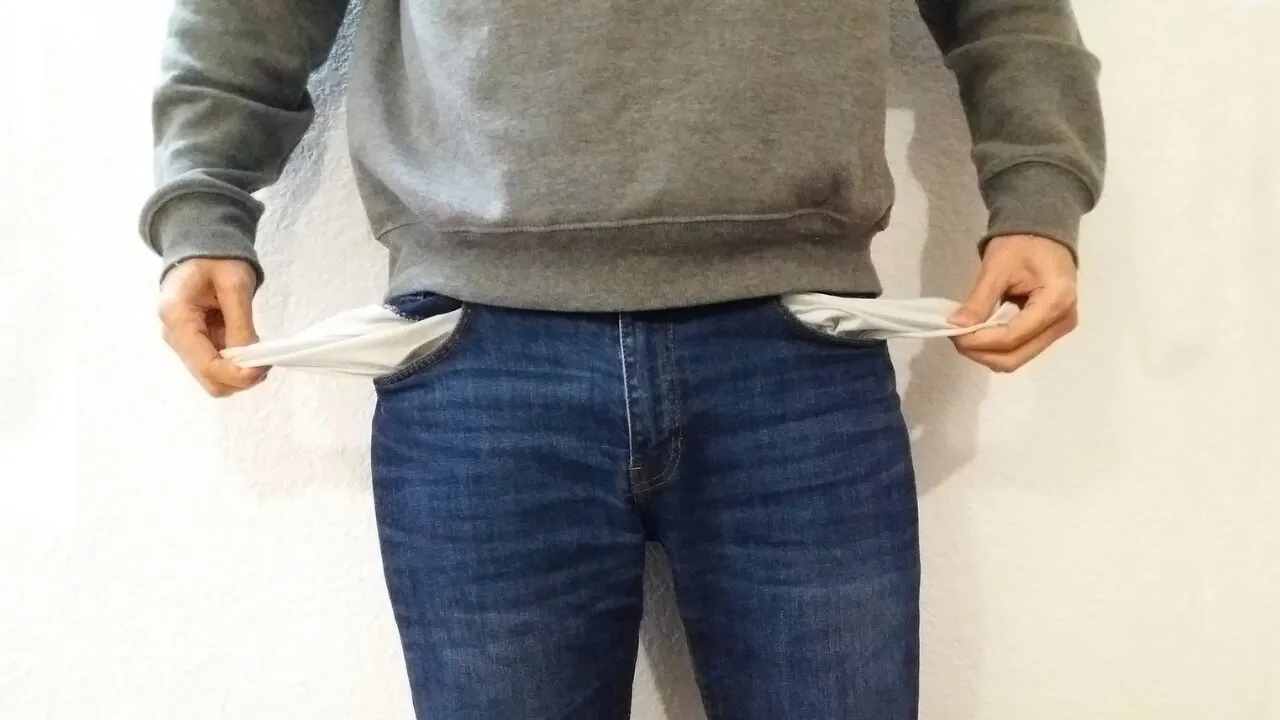
Before the panic attacks started, before the insomnia settled into my bones like a permanent tenant, before my hair started falling out in clumps in the shower, I thought rock bottom was a financial address. I was a single mother of two, barely scraping by, and I assumed the money problem was the health problem.
I was wrong.
The real health crisis had been building for years, quietly, in ways no blood test could catch and no doctor’s appointment could fix in fifteen minutes. My body had been sending me signals I was too overwhelmed to read. The constant tension in my shoulders. The way my stomach clenched every morning before I even opened my eyes. The headaches that became so routine I stopped mentioning them. I had normalized feeling terrible because I didn’t have the bandwidth to feel anything else.
What I know now is that the mental and physical breakdown didn’t happen when my external life fell apart. It happened much earlier, in the slow, invisible erosion of every wellness practice that had once kept me grounded. And according to the American Psychological Association’s annual Stress in America survey, women consistently report higher stress levels than men, with physical symptoms like fatigue, headache, and digestive issues showing up as the body’s alarm system long before a full breakdown occurs.
I just wasn’t listening.
How Chronic Stress Rewired My Body
Here is something I wish someone had told me when I was deep in survival mode: stress is not just a feeling. It is a full-body physiological event. And when it becomes chronic, when your nervous system never gets the signal that the threat has passed, it changes everything. Your sleep, your digestion, your immune response, your hormones, your ability to think clearly. All of it.
I spent years living in what therapists and researchers call a state of chronic sympathetic nervous system activation. My body was stuck in fight-or-flight, not because I was in immediate danger, but because the relentless pressure of trying to be the perfect mother, the perfect partner, the perfect everything had convinced my nervous system that danger was everywhere, all the time.
The physical toll was real. I was gaining weight despite eating less. I was exhausted but couldn’t sleep. My periods became irregular. I caught every cold that came within ten feet of me. I would snap at my kids over nothing and then spiral into guilt that made the whole cycle worse.
My body was keeping a very detailed score of every boundary I didn’t set, every need I ignored, every time I chose everyone else’s well-being over my own.
And the cruelest part? I blamed myself for being “weak.” I told myself I should be able to handle it. Other women managed. Other mothers powered through. What was wrong with me that I couldn’t just push harder?
Nothing was wrong with me. My body was doing exactly what bodies do when they are pushed past their limits for too long. It was breaking down to force me to stop.
Have you ever ignored your body’s warning signs because you felt like you didn’t have permission to slow down?
Drop a comment below and let us know. So many of us have been there, and hearing your story could help someone else finally pay attention to theirs.
The Mental Health Spiral I Mistook for a Character Flaw
When I finally sat in a therapist’s office (something I resisted for far too long because I thought therapy was for people with “real” problems), she asked me a question that cracked something open.
“When was the last time you did something just because it felt good to you?”
I couldn’t answer. Not because I couldn’t remember. Because I genuinely could not identify what felt good to me anymore. I had spent so long operating from a place of obligation and survival that I had lost access to my own preferences, my own pleasure, my own sense of what wellness even meant for my specific body and mind.
That disconnection, that complete loss of self-awareness, was the real health emergency. Not the panic attacks. Not the insomnia. Those were symptoms. The disease was the systematic abandonment of my own health and wellness in favor of performing a version of womanhood that was literally making me sick.
My internal critic had convinced me that every role I occupied (mother, partner, professional) required me to sacrifice my health on the altar of productivity and selflessness. And I believed it so completely that when my body finally said “enough,” I interpreted the collapse as personal failure rather than what it actually was: a long-overdue intervention.
The Cortisol Connection
Here is the science that changed my perspective entirely. Chronic stress floods your system with cortisol, the hormone designed to help you survive short-term threats. But when cortisol stays elevated for months or years, it disrupts nearly every system in your body. It impairs memory and concentration. It increases inflammation. It promotes fat storage around the midsection. It suppresses your immune function. It disrupts your sleep architecture so that even when you do sleep, you never reach the deep, restorative stages your body desperately needs.
I wasn’t lazy. I wasn’t weak. I wasn’t failing. I was experiencing the predictable, well-documented health consequences of running on stress hormones for years without adequate recovery. My body wasn’t betraying me. It was responding exactly as human biology dictates.
Understanding that shifted everything.
Recovery Started with the Smallest Possible Steps
I want to be honest with you about something. Recovery did not look like a wellness influencer’s morning routine. There was no sunrise yoga or green juice epiphany. There was no dramatic moment where I “chose myself” and everything clicked into place.
Recovery looked like sleeping an extra thirty minutes because I finally stopped feeling guilty about it. It looked like drinking water before coffee. It looked like sitting on my front step for five minutes in the morning, not meditating (I couldn’t quiet my mind enough for that yet), just sitting. Just existing in my body without immediately demanding something from it.
Rebuilding the Nervous System
The most important thing I learned in recovery was that you cannot think your way out of a nervous system that is stuck in survival mode. You have to work with the body. Positive affirmations are lovely, but they cannot override a dysregulated nervous system. You need to give your body actual, physical evidence that you are safe.
For me, that started with breathing. Slow, deliberate exhales that were longer than my inhales. This activates the parasympathetic nervous system (the “rest and digest” counterpart to fight-or-flight) and sends a direct signal to your brain that the threat has passed. I did this in the car before picking up my kids. I did this in the bathroom at work. I did this at 3 a.m. when I woke up with my heart racing.
Then I added movement. Not exercise in the punishing, calorie-burning sense I had been taught to associate with fitness. Gentle movement. Walking. Stretching. Dancing in my kitchen with my boys. Movement that felt like a gift to my body rather than a punishment for its shape.
Research from the Mayo Clinic confirms what I experienced firsthand: regular physical activity increases the production of endorphins, improves sleep quality, and reduces the physical symptoms of stress and anxiety. But the key word there is “regular,” not “extreme.” Consistency mattered infinitely more than intensity.
Finding this helpful?
Share this article with a friend who might need it right now.
The Wellness Practices That Actually Brought Me Back
I am not going to give you a ten-step program because that is not how healing works. What I will share is what genuinely moved the needle for me, slowly, imperfectly, and with plenty of setbacks along the way.
Sleep Became Non-Negotiable
I used to wear sleep deprivation like a badge of honor. “I’ll sleep when I’m dead” was not just a phrase; it was my operating system. But sleep is when your body repairs itself at every level. Your brain clears metabolic waste. Your muscles recover. Your immune system rebuilds. When I started protecting my sleep (even imperfectly, even as a single mom with a chaotic schedule), the downstream effects touched everything. My mood stabilized. My cravings decreased. My patience with my children expanded.
Nutrition as Nourishment, Not Punishment
I stopped dieting and started feeding myself. There is a difference. Dieting was another form of self-punishment, another way of telling my body it wasn’t good enough as it was. Nourishment meant asking, “What does my body actually need right now?” Sometimes the answer was a salad. Sometimes it was a warm bowl of arroz con pollo that reminded me of my grandmother’s kitchen. Both were valid. Both were wellness.
Boundaries as a Health Practice
This one surprised me. I had always thought of boundaries as a relationship concept, but my therapist reframed them as a health practice. Every time I said yes when I meant no, my cortisol spiked. Every time I overcommitted and under-rested, my immune system took the hit. Learning to say “I can’t do that right now” was not selfish. It was preventive medicine.
What I Want Every Exhausted Woman to Know
If you are reading this and your body is screaming at you (through headaches, through fatigue, through anxiety that sits in your chest like a stone), please hear me. You are not broken. You are not weak. You are not failing at wellness because you can’t maintain a perfect routine.
Your body is doing its job. It is telling you that something needs to change. And that something is almost never “try harder.” It is almost always “stop abandoning yourself.”
The real health crisis for so many women is not a lack of discipline or information. It is the systematic neglect of our own needs in service of roles we never fully chose. And recovery does not require a complete life overhaul. It requires one small, honest act of self-care at a time. One glass of water. One deep breath. One moment of stillness. One gentle “no.”
You have survived every exhausting, overwhelming day so far. Your body carried you through all of it. That resilience is not something to overlook. It is something to build on.
Start where you are. Start small. Start now. Your body has been waiting for you to come back to it.
We Want to Hear From You!
Tell us in the comments which tip resonated most with you. Whether it was the breathing, the boundaries, or just the permission to stop pushing so hard, we want to know what landed.
Have questions about this article?
Discuss with Your AI Coach
Let's Talk