The Skincare Rituals That Brought Me Closer to My Mom, My Friends, and Myself
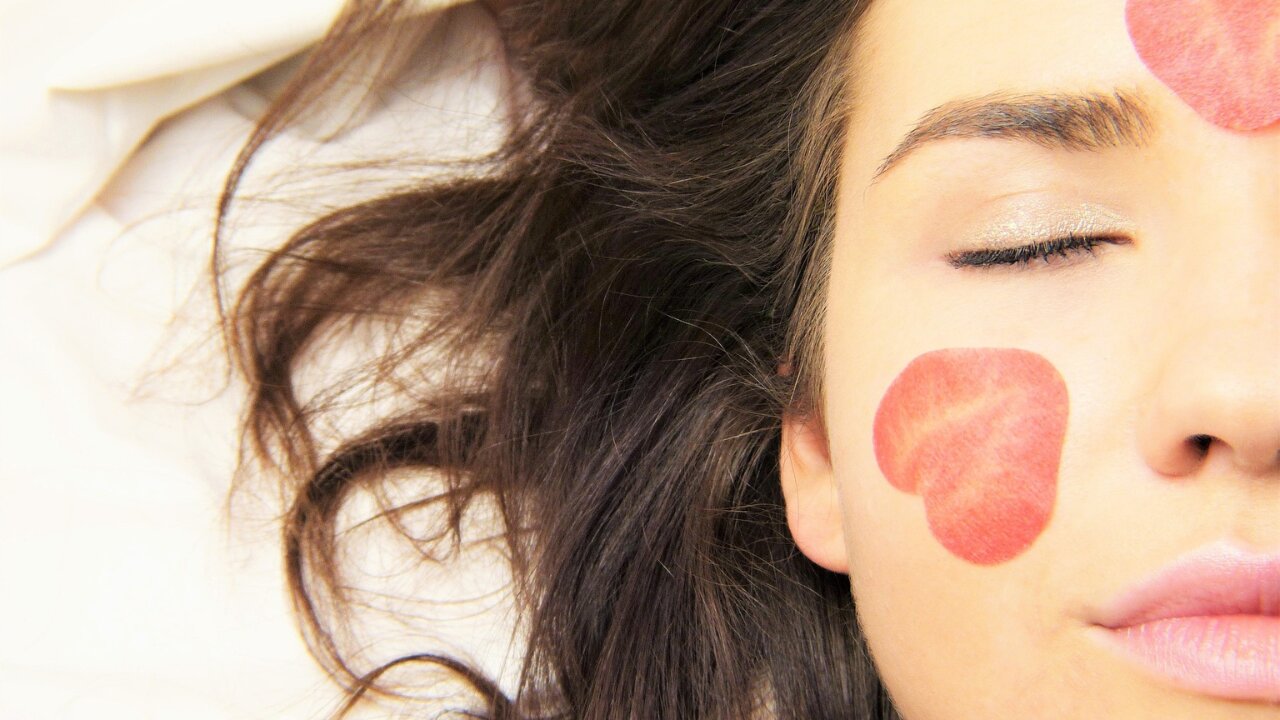
My mother never had a fancy vanity or a cabinet full of expensive products. What she had was a jar of cold cream, a bottle of rosewater she kept in the fridge, and a ritual she performed every single night without fail. I used to sit on the edge of the bathtub and watch her. She would smooth the cream over her face in slow, deliberate circles, then press a damp cloth against her skin like she was unwrapping something precious. She never called it skincare. She called it “my time.”
I did not understand it then. But now, as an adult with my own bathroom shelf and my own version of that nightly ritual, I realize she was teaching me something far more important than how to wash my face. She was showing me that caring for yourself is not vanity. It is a quiet, powerful act of presence. And it is one of the most connective things we do, whether we realize it or not.
Because here is the thing nobody talks about when they talk about glowing skin: so much of it happens in relationship. The habits we pick up from the women who raised us. The products a friend swears by and texts you about at midnight. The Sunday morning when your teenage daughter asks if she can borrow your moisturizer and suddenly you are having a real conversation for the first time in weeks. Skincare, at its best, is not a solo act. It is a bridge.
What We Inherit: Skin Lessons from the Women Before Us
Long before the beauty industry turned skincare into a twelve-step production, women were passing down their routines like recipes. My grandmother used olive oil on everything. Her hands, her elbows, her face after a long day in the garden. My mother adopted the rosewater. My aunt was the one who introduced me to sunscreen before it was trendy, insisting that “the sun does not care how young you are.”
These were not formal lessons. Nobody sat me down with a whiteboard and a product lineup. They were absorbed. Watched. Picked up the way children pick up language, through proximity and repetition. And research supports this. A study published in the journal Body Image found that maternal attitudes toward appearance and self-care significantly shape how daughters perceive and care for their own bodies well into adulthood.
Think about your own history for a moment. Who taught you to wash your face? Who told you to drink more water? Whose medicine cabinet did you raid as a teenager? Those moments were not just about products. They were about trust, about intimacy, about someone saying, “Let me show you how I take care of myself,” which is really another way of saying, “You matter enough for me to share this with you.”
If you have daughters, nieces, or younger women in your life, you are probably already passing something down whether you mean to or not. The question is what. If they see you rushing through your routine with frustration, skipping it entirely because you “do not have time,” or obsessing over flaws in the mirror, that becomes the template. But if they see you treating those five minutes as something worth protecting, something that makes you feel good rather than something you have to fix, that becomes the template too.
Who taught you your first skincare habit? Was it a parent, a grandmother, a friend, or something you figured out on your own?
Drop a comment below and let us know. We would love to hear those stories.
Friendship and the Beauty of Shared Rituals
Some of my deepest conversations with friends have happened with a face mask on. There is something about the absurdity of sitting across from someone with green paste drying on your cheeks that strips away pretense. You cannot take yourself too seriously when you look like a swamp creature. And that is exactly why it works.
Shared beauty rituals among friends are not frivolous. They are a form of care that creates space for vulnerability. When a friend tells you about the serum that finally helped her acne scars, she is not just giving you a product recommendation. She is letting you in on an insecurity. When you do a face mask together on a Friday night instead of going out, you are choosing intimacy over performance. These moments build the kind of trust that holds friendships together through harder seasons.
According to research from the American Psychological Association, shared rituals and routines are one of the strongest predictors of friendship longevity. It is not about the activity itself. It is about the consistency and the mutual investment. A standing Sunday spa night with your best friend is not indulgent. It is relational infrastructure.
And this applies beyond your inner circle. Think about the coworker who complimented your skin and asked what you use, sparking a twenty-minute conversation that shifted your entire dynamic. Or the neighbor who dropped off a sample of her favorite moisturizer “just because.” These small exchanges around something as universal as skin create connection points that might not happen otherwise. We underestimate how much bonding happens through the ordinary, unglamorous act of taking care of ourselves together.
If you are looking for ways to deepen the friendships you already have, building in small rituals like these can be surprisingly powerful. Our piece on building deeper friendships as an adult explores why intentional, low-pressure connection often matters more than grand gestures.
The Bathroom Counter Conversations Nobody Expects
If you have teenagers, you already know that getting them to talk can feel like negotiating with a diplomat who has no interest in diplomacy. But I have noticed something over the years, both in my own family and in conversations with other women: some of the most honest exchanges happen in the bathroom.
There is a reason for this. Side-by-side activities (as opposed to face-to-face ones) lower the emotional stakes of a conversation. You are both doing something with your hands. There is no intense eye contact. The focus is on the task, not the talk, which paradoxically makes the talk flow more freely. Psychologists call this “shoulder-to-shoulder” interaction, and it is especially effective with adolescents and young adults who may feel put on the spot by direct conversation.
So when your daughter leans against the doorframe while you are applying your night cream and casually mentions something about a friend at school, that is not a coincidence. She chose that moment because it felt safe. And if you respond without turning it into an interrogation, without stopping what you are doing and pivoting into “serious talk” mode, you will probably hear more than you expected.
These moments also work in reverse. When you let your child see you taking care of your skin, you are modeling something essential: that caring for your body is normal, not narcissistic. That maintenance is not about chasing perfection but about showing up for yourself. That is a message worth delivering, especially in an era when social media floods young people with filtered, unrealistic standards of what skin (and everything else) should look like.
Finding this helpful?
Share this article with a friend who might need it right now.
Partners, Boundaries, and the Politics of the Bathroom Shelf
Let us talk about something that does not get enough airtime: the way skincare intersects with romantic and family relationships in your own household. Because if you have ever had a partner use your expensive moisturizer as hand cream, you know this is not a small thing.
On a practical level, your skincare routine is a boundary. It is time you carve out for yourself, and protecting it communicates something important to the people you live with. It says, “I need this. It is not negotiable.” That can be uncomfortable in households where everyone’s needs compete for the same limited hours. But it is also deeply necessary, especially for women who tend to put everyone else’s needs ahead of their own until there is nothing left.
On a more intimate level, skincare can become a shared language with a partner. Applying lotion to each other’s backs. Noticing when your partner’s skin looks tired and gently suggesting they drink more water. My friend’s husband started doing a face mask with her every Sunday, initially as a joke. Six months later, it is the part of their week he protects most fiercely. “It is the only time we are both completely still,” he told her. That stillness, in a household with two kids and two demanding jobs, became sacred.
If you are navigating the balance between personal time and family demands, you might find resonance in our exploration of building self-confidence from the inside out. Because the confidence to protect your own rituals often starts with believing you are worth the time.
Teaching the Next Generation: What Glowing Skin Really Means
When we teach young people about skincare, we have an opportunity to teach them something much bigger. We can show them that taking care of your body is an act of respect, not an apology for how you look. We can normalize talking about skin without attaching shame to breakouts, scars, or texture. We can demonstrate that beauty is not about achieving a certain look but about feeling at home in your own skin, literally.
This matters more than ever. The American Academy of Pediatrics has documented the impact of social media on adolescent body image, and the findings are sobering. Young people are exposed to thousands of filtered, edited images daily, and the gap between what they see online and what they see in the mirror can be devastating.
As parents, aunts, mentors, and friends, we can counter that by being honest about our own skin. By letting people see us without makeup. By talking about our routines in terms of how they make us feel rather than how they make us look. By making skincare a conversation rather than a performance.
One of the most powerful things my mother ever said to me was this: “Your skin is not a problem to solve. It is something to take care of.” That distinction shaped everything. It turned my routine from a chore driven by anxiety into a practice rooted in kindness. And it is a gift I try to pass on to every young woman I am close to.
The Glow That Comes from Connection
The beauty industry will keep selling us the idea that radiant skin comes from a bottle. And sure, a good moisturizer helps. Hydration matters. Sunscreen is non-negotiable. But the deepest glow, the one people actually notice when they look at you, comes from something no product can replicate. It comes from feeling seen. From laughing so hard with your best friend that your cheeks ache. From your daughter reaching for your hand cream and staying to talk. From your mother’s voice in your head reminding you to take care of yourself.
Skincare is personal, yes. But it is also profoundly relational. The rituals we build, the habits we share, the conversations that happen over a sink full of warm water. These are the things that make us glow. Not from the outside in, but from the inside out, carried by the people we love and the love we let in.
We Want to Hear From You!
Tell us in the comments which tip resonated most with you.
Read This From Other Perspectives
Explore this topic through different lenses