Travel as Medicine: What Pilgrimage Taught Me About Healing My Body and Mind
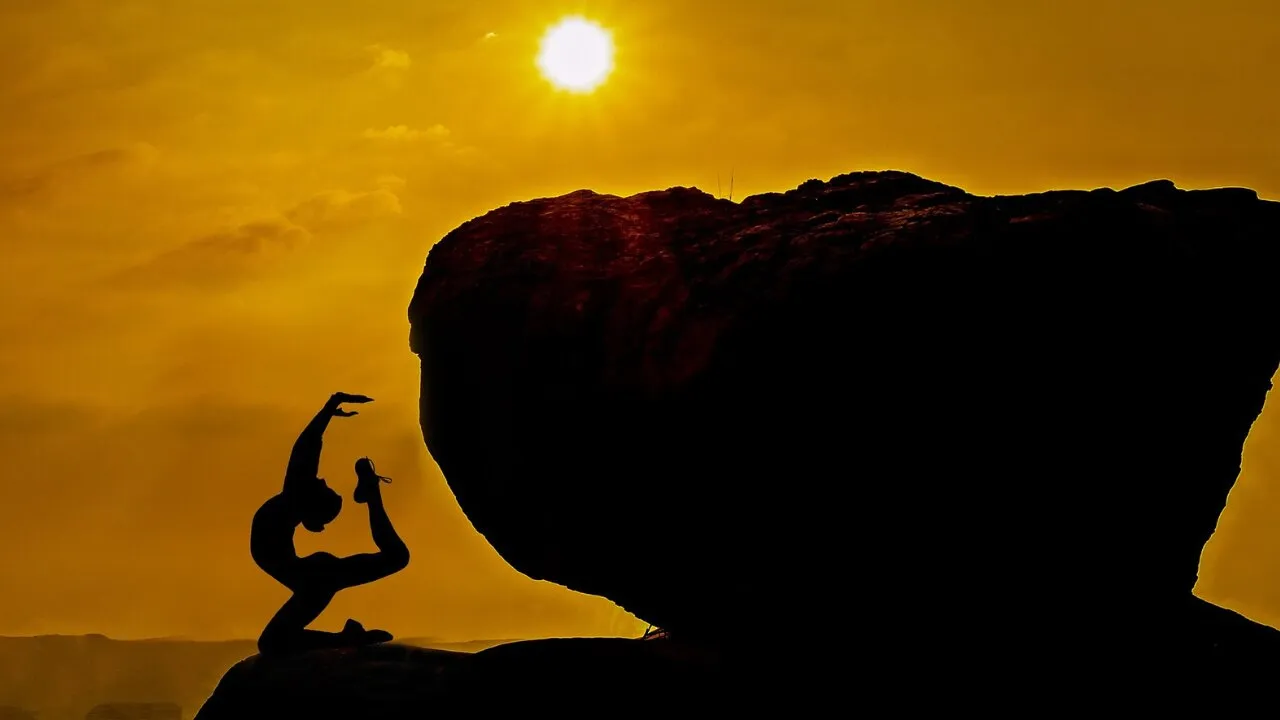
When I stood at the edge of the Irish coast, breathing salt air so deep it felt like my lungs were expanding for the first time in years, I noticed something I had not expected. My shoulders dropped. My jaw unclenched. The low hum of tension I had been carrying in my body for months, maybe longer, simply quieted. I had traveled to Ireland looking for adventure. What I found instead was a kind of healing no doctor’s office had ever offered me.
I did not set out to use travel as a wellness practice. But looking back, that first trip in 2011 was the beginning of a profound shift in my physical and mental health. Not because I found a magic supplement or a new workout routine, but because I stumbled into something ancient and deeply restorative: the practice of pilgrimage.
The Body Keeps the Score, and Travel Helps It Let Go
Before Ireland, I was running on cortisol and caffeine. My calendar was packed, my sleep was terrible, and I wore my exhaustion like a badge of honor. I had chronic tension headaches, digestive issues that no elimination diet could solve, and a baseline anxiety that I had simply accepted as “just how I am.” Sound familiar?
What I did not understand at the time was that my body was stuck in a chronic stress response. My nervous system had been locked in fight-or-flight for so long that I had forgotten what calm actually felt like. Research published in the journal Scientific Reports has shown that exposure to natural environments can significantly reduce cortisol levels and activate the parasympathetic nervous system, the branch responsible for rest and recovery.
That is exactly what happened when I arrived in the Irish countryside. Walking through abbey ruins, sitting among ancient stones at Drombeg, and spending hours outdoors without a schedule did something no spa weekend had accomplished. My nervous system began to recalibrate. Not because I was trying to relax, but because the environment itself was doing the work.
The concept of pilgrimage, traveling with intention to places that hold meaning, gave this experience a structure that amplified its healing effects. It was not a vacation in the traditional sense. It was something closer to a holiday designed for deep restoration, where every element supported my body’s ability to recover.
Have you ever returned from a trip feeling physically different, like your body finally exhaled?
Drop a comment below and let us know what that experience felt like for you.
Why Intentional Travel Heals Differently Than a Beach Vacation
I want to be clear about something. I am not talking about lounging by a pool for a week (though that has its place). The kind of travel that shifted my health was purposeful. It involved walking, exploring, being present in unfamiliar landscapes, and letting myself be genuinely moved by what I encountered. And the science backs up why this matters.
It Moves Your Body in Ways a Gym Cannot
Pilgrimage is, at its core, a walking practice. And walking, especially in natural settings, is one of the most underrated forms of exercise we have. On my trips to Ireland, I was covering miles every day without thinking about step counts or heart rate zones. I was climbing hills to reach ruins, walking coastal paths, and wandering through villages. My body was moving the way it was designed to move: varied terrain, natural pacing, fresh air.
A growing body of research supports what many cultures have known for centuries. A study from the American Psychological Association highlights that spending time in nature improves cognitive function, lowers blood pressure, and reduces symptoms of anxiety and depression. Pilgrimage combines physical activity with nature immersion in a way that multiplies these benefits.
It Disrupts Stress Patterns at the Root
One of the most powerful things about intentional travel is that it physically removes you from your stress triggers. Not temporarily, the way a weekend off does, but completely. New sights, new sounds, new rhythms of daily life. Your brain cannot run its usual anxiety loops when everything around it is unfamiliar.
This is not just anecdotal. When I returned from my first pilgrimage, my tension headaches had disappeared. My digestion had normalized. I was sleeping through the night for the first time in years. My body had been given the chance to reset, and it took it.
It Reconnects You to Your Physical Self
Here is something I rarely hear people talk about: chronic stress makes us strangers to our own bodies. We stop noticing hunger cues, ignore fatigue, and push through pain signals. Travel, particularly the kind where you are walking, exploring, and spending time outdoors, brings you back into relationship with your physical self.
I remember standing in a stone circle in County Cork and suddenly becoming aware of my own heartbeat. Not in an anxious way, but in a grounded, present way. I could feel my feet on the earth, the wind on my skin, the steady rhythm of my breathing. It sounds simple, but for someone who had been living entirely in her head for years, it was revolutionary.
Finding this helpful?
Share this article with a friend who might need it right now.
Five Health Benefits I Gained From Making Travel a Wellness Practice
Since 2011, I have made intentional, sacred travel a regular part of my wellness routine. Here is what changed in my body and mind as a result.
1. My Chronic Stress Symptoms Resolved
The headaches, the digestive trouble, the insomnia. These were not caused by a deficiency or a disease. They were caused by a nervous system that never got to rest. Pilgrimage gave my body extended periods of genuine downregulation. Over time, those symptoms stopped being my baseline. I still get stressed, of course. But my body now knows how to come back to calm because it has practiced it in environments that made regulation easy.
2. I Discovered the Power of Walking for Mental Health
I used to think exercise had to be intense to “count.” Pilgrimage cured me of that. Walking six or eight miles through the Irish countryside did more for my anxiety than any high-intensity workout ever had. There is a meditative quality to sustained walking, especially in nature, that quiets the mind in a way that feels effortless. I brought this practice home with me. Daily walks became non-negotiable, not for fitness metrics, but for my mental health.
3. I Learned What Rest Actually Feels Like
Most of us do not know how to rest. We collapse on the couch after a long day and call it rest, but our minds are still spinning. On pilgrimage, I learned the difference between collapse and true restoration. Sitting quietly in an ancient place, with no agenda and no screens, taught my body what deep rest actually feels like. That understanding changed how I approach recovery at home, from building better sleep habits to creating pockets of genuine stillness in my week.
4. My Relationship with Food Transformed
Something unexpected happened on my pilgrimages. When my stress levels dropped and I was moving my body naturally throughout the day, my relationship with food shifted. I stopped stress-eating. I started actually tasting my meals. I ate when I was hungry and stopped when I was full, not because I was following a protocol, but because my body’s signals were finally clear enough to hear. Travel removed me from my usual patterns long enough for healthier ones to take root.
5. I Built a Sustainable Wellness Practice (Not a Punishing One)
Before pilgrimage reshaped my approach to health, my wellness efforts were driven by punishment. Restrict, push harder, do more. Travel taught me that the most profound healing happens when you stop forcing and start allowing. Nature does not hustle. Ancient stones do not optimize. The most restorative practices, walking, breathing, being present, are also the simplest. That realization freed me from the cycle of wellness perfectionism that had been making me sicker, not healthier.
How to Use Travel as a Wellness Tool (Starting Today)
You do not need to book a flight to Ireland to experience the health benefits of intentional travel. You can start building this practice right where you are.
Walk with purpose, not a destination. Choose a route that takes you through nature or past something beautiful. Leave your earbuds at home. Let the walk itself be the point.
Visit a local place that grounds you. A botanical garden, a historic site, a quiet trail. Go alone, go slowly, and pay attention to how your body responds to the environment.
Plan a trip around restoration, not consumption. Instead of packing your itinerary with activities, build in long stretches of unstructured time. Walk, sit, breathe. Let your nervous system set the pace.
Track how you feel, not what you do. Before and after your intentional travel experiences, notice your sleep quality, your stress levels, your digestion, your mood. The data your body gives you is more valuable than any step counter.
Make it regular. The biggest shift came when I stopped treating restorative travel as a once-a-year event and started weaving elements of it into my weekly life. A Saturday morning walk to a place that moves you is a pilgrimage in miniature.
Your Body Already Knows What It Needs
We spend so much time and money searching for the next wellness breakthrough: the supplement, the protocol, the biohack. But some of the most powerful medicine is not new at all. It is ancient. It is walking. It is nature. It is giving your body permission to slow down long enough to remember how to heal itself.
Pilgrimage taught me that my body was never broken. It was just exhausted, overstimulated, and starved for the kind of rest that modern life rarely provides. If your health feels stuck, if you have tried everything and still feel off, maybe the answer is not another optimization. Maybe it is an open road, a pair of walking shoes, and the willingness to let a place put you back together.
According to Harvard Health, even 20 to 30 minutes spent in nature can measurably improve mood and reduce stress hormone levels. Imagine what days or weeks of immersion can do.
Your body is already telling you what it needs. The question is whether you are willing to listen.
We Want to Hear From You!
Tell us in the comments which tip resonated most with you.
Read This From Other Perspectives
Explore this topic through different lenses