Forgiving Yourself When a Friendship or Family Bond Falls Apart
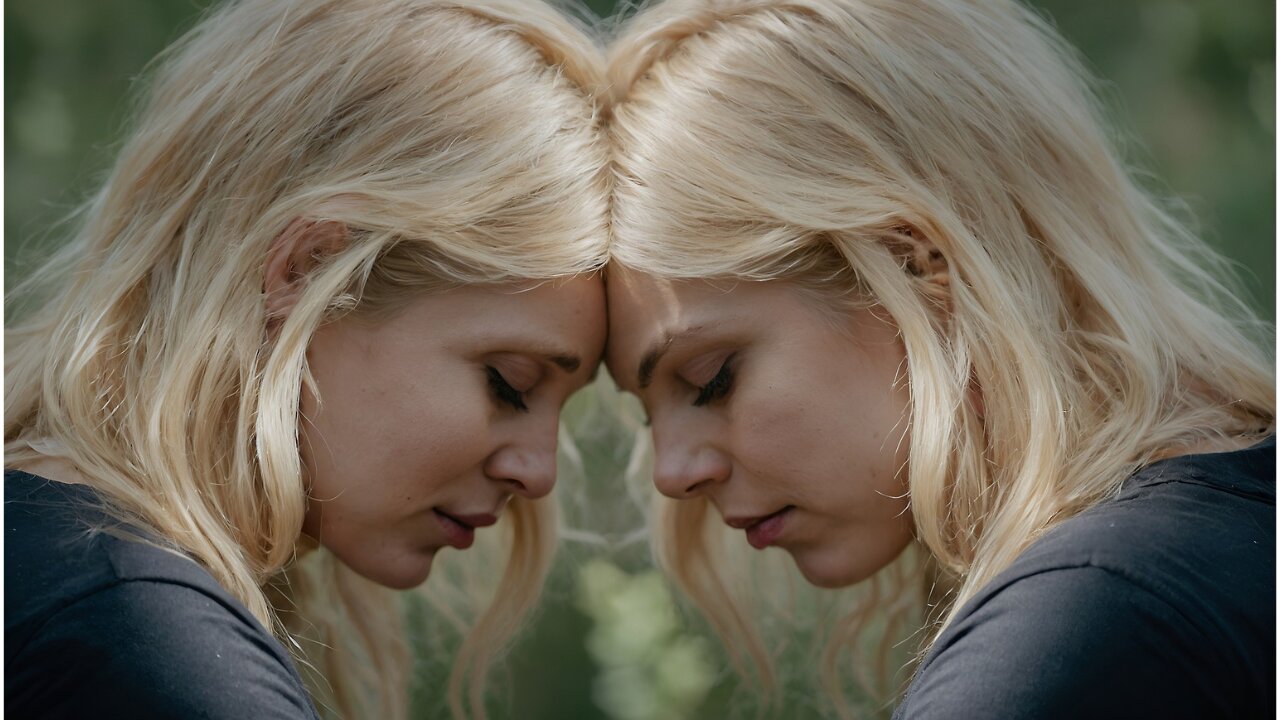
We talk a lot about romantic heartbreak, but there is a quieter kind of grief that rarely gets the same airtime. It is the grief that follows the end of a friendship you thought would last forever, or the moment you finally step back from a family member whose presence has been slowly hollowing you out. These losses do not come with breakup playlists or a socially accepted mourning period. They just come with silence, confusion, and an overwhelming urge to blame yourself for all of it.
I know that urge well. A few years ago, I lost a friendship that had been central to my life for over a decade. She was the person I called first, the one who knew every version of me. And when it ended, not with a fight but with a slow, painful fade, I did not grieve her the way I expected. Instead, I turned inward and started building a case against myself. Why did I not try harder? Why did I let the distance grow? What is wrong with me that people I love keep pulling away?
If you have ever felt that spiral after losing a friend or pulling away from a toxic family dynamic, this is for you. Because the truth is, forgiving yourself for how things unraveled in your closest personal relationships is some of the hardest inner work you will ever do. It is also some of the most necessary.
Why We Blame Ourselves When Personal Relationships End
When a friendship fades or a family relationship becomes something you can no longer sustain, the brain does exactly what it does after any loss. It searches for a reason, and it usually starts with you.
You might find yourself thinking things like: “I should have called more.” “If I had been less needy, she would not have pulled away.” “A good daughter would have kept trying, no matter what.” These thoughts feel like accountability, but they are not. They are self-punishment wearing a mask of maturity.
According to research highlighted by the American Psychological Association’s resources on forgiveness, chronic self-blame following relational loss is associated with increased anxiety, depressive symptoms, and difficulty forming new social bonds. In other words, the guilt you carry about a friendship or family rift is not protecting you. It is keeping you stuck.
There is a meaningful difference between reflection and rumination. Reflection says, “I could have communicated my needs more clearly, and I will work on that going forward.” Rumination says, “I am a terrible friend and I ruin everything.” One leads somewhere. The other just circles the drain. If you have been circling, recognizing that pattern is the first real step toward letting yourself off the hook.
Have you ever blamed yourself for a friendship that fell apart or a family relationship you had to walk away from?
Drop a comment below and let us know how you started working through that guilt.
The Unique Weight of Friendship Grief
One of the reasons friendship loss hits so hard is that our culture does not give us language for it. There is no word for the end of a best friendship. There is no ceremony, no closure ritual, no shared understanding that you are going through something real. People will rally around you after a romantic breakup, but when a lifelong friend drifts away or you cut ties with a toxic one, the response is often just a shrug and a “people grow apart.”
But you are not shrugging. You are lying awake replaying old conversations, wondering where it went wrong, scrolling through photos from a version of your life that no longer exists. A study published in the Journal of Social and Personal Relationships found that the dissolution of close friendships can produce grief responses comparable to those experienced after romantic breakups, yet people who lose friendships report receiving significantly less social support during the process.
That lack of support makes self-blame even more tempting, because if no one else is validating your pain, you start to wonder if the pain itself is the problem. It is not. Your grief is proportional to what the relationship meant to you, and no one else gets to decide that.
Forgiving Yourself for Walking Away from Family
If friendship grief is underrecognized, the guilt of stepping back from a family member is something else entirely. We grow up hearing that blood is thicker than water, that family is forever, that you do not give up on the people who raised you. And so when you finally establish a boundary with a parent, sibling, or relative whose behavior has been damaging your mental and physical health, it can feel like you are betraying something sacred.
But here is what I have learned, both through my own experience and from watching the women in my life navigate this: sometimes the most loving thing you can do for yourself and for the relationship is to create distance. That does not make you ungrateful. It does not make you cold. It makes you someone who has decided that love should not require you to shrink.
The self-forgiveness piece with family is layered because the guilt often comes from multiple directions. There is the guilt of not being “enough” to fix the dynamic, the guilt of potentially hurting someone who may not understand why you pulled back, and the guilt of grieving a version of the relationship that maybe only existed in your hopes rather than in reality.
If you are carrying any of that, I want you to hear this clearly: you are allowed to protect your peace even when the person causing the disruption shares your last name. You are allowed to love someone from a distance. And you are allowed to forgive yourself for not finding a way to make it work.
Finding this helpful?
Share this article with a friend who might need it right now.
How to Actually Start Forgiving Yourself
Self-forgiveness is not a switch you flip. It is more like a practice you return to, sometimes daily, until the weight begins to lift. Here is what has worked for me and for the people I trust most.
Separate responsibility from blame
You may have played a role in how things unfolded. Maybe you avoided a hard conversation. Maybe you tolerated behavior that crossed your boundaries because confrontation felt scarier than silence. That is worth acknowledging. But acknowledging your part is not the same as accepting all the fault. Responsibility says, “I can learn from this.” Blame says, “I deserve to suffer for this.” Choose the one that actually helps you grow.
Write the story you have been telling yourself, then challenge it
Grab a notebook and write the version of events you keep replaying. The version where you are the villain, the one who failed, the one who should have known better. Then read it back and ask yourself: would I say any of this to someone I love? If your best friend told you this exact story about herself, would you agree that she was terrible? Or would you remind her of everything she could not see at the time? Give yourself the compassion you would give her without hesitation.
Let go of the fantasy version
Part of the guilt often comes from mourning not the relationship as it was, but the relationship as you wished it could be. The mother who would finally see you. The friend who would eventually show up the way you needed. Forgiving yourself means accepting that you were not wrong to hope for more, and you are not wrong for finally accepting that more was not coming. According to the Mayo Clinic’s guide on forgiveness, releasing attachment to how things “should” have been is one of the most significant steps in the forgiveness process, both toward others and toward yourself.
Rebuild your sense of belonging elsewhere
When you lose a key friendship or step back from family, it can feel like you have lost your place in the world. That loneliness can feed the self-blame cycle, because being alone feels like confirmation that you did something wrong. But belonging is not something one person or one family gives you. It is something you build, intentionally, across multiple relationships and spaces. Invest in the friendships and connections that make you feel safe. Join communities that align with who you are becoming, not just who you used to be. Let new people in, even when it feels risky.
The Long Game of Self-Compassion
I will not pretend this is easy. Some mornings I still wake up and feel a pang when I think about the friend I lost, or the family gatherings that feel different now because of the boundaries I set. But the pang is not guilt anymore. It is just tenderness for a version of me who tried her best with what she had.
Self-forgiveness in the context of personal relationships is not about deciding you were right and everyone else was wrong. It is about releasing the idea that you needed to be perfect in order to deserve love, loyalty, and genuine self-acceptance. You did not. Nobody does.
The friendships and family bonds that fell apart taught you something, even if the lesson was painful. They showed you what you are willing to accept and, more importantly, what you are not. They revealed the places where you need to grow and the places where you were already stronger than you knew. And now, with all of that behind you, you get to choose what comes next.
Choose gently. Choose honestly. And choose yourself, not because everyone else let you down, but because you have always been worth choosing.
We Want to Hear From You!
Tell us in the comments which tip resonated most with you.
Read This From Other Perspectives
Explore this topic through different lenses