Self-Care Guilt Is Wrecking Your Health (Here Is What Your Body Needs You to Know)
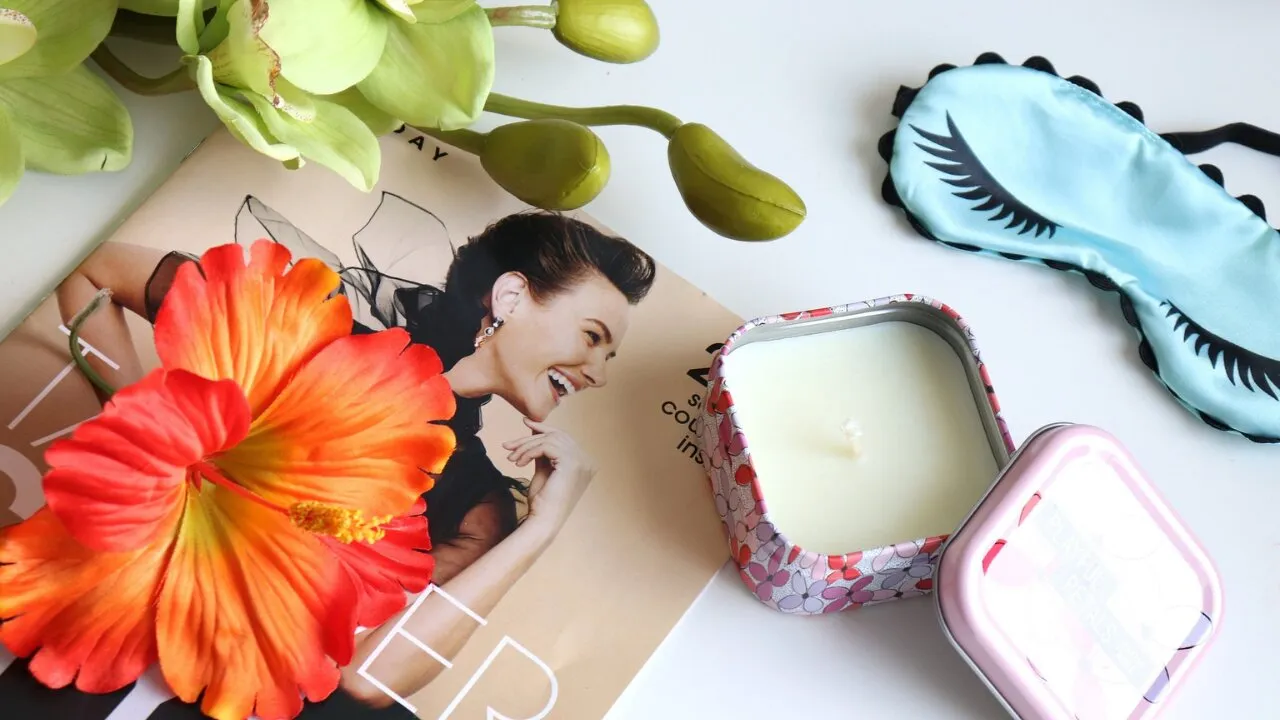
I want to be honest with you. There was a stretch of time in my life when I genuinely believed that rest was something I had to earn. I would push through migraines, skip meals because I was “too busy,” and wear my exhaustion like some kind of badge. My body was screaming at me in every language it knew, and I kept hitting mute. Sound familiar?
Here is what nobody tells you about self-care guilt: it is not just an emotional inconvenience. It is a health problem. A real, measurable, physiological problem that shows up in your cortisol levels, your sleep architecture, your immune markers, and the tension you carry between your shoulder blades right now (yes, you just noticed it, didn’t you?). When guilt keeps you from resting, nourishing yourself, or slowing down, the consequences are not abstract. They are happening inside your body this very moment.
So let us talk about what self-care guilt actually does to your health, why your nervous system desperately needs you to stop apologizing for taking breaks, and how to build a relationship with rest that feels as natural as breathing.
What Happens Inside Your Body When You Skip Self-Care
Your body does not understand the difference between running from a bear and running from a packed schedule. To your nervous system, stress is stress. And when you chronically deny yourself recovery time because guilt tells you that everyone else’s needs come first, you are essentially leaving your body stuck in fight-or-flight mode with no off switch.
Research from the American Psychological Association consistently shows that chronic stress contributes to inflammation, cardiovascular strain, digestive issues, weakened immunity, and disrupted hormonal balance. These are not vague wellness talking points. These are clinical realities that show up in bloodwork, imaging, and symptom diaries.
I know this firsthand. During my years of dealing with autoimmune issues and adrenal fatigue, I learned something that changed everything: my body was not broken. It was exhausted. It had been running on cortisol and adrenaline for so long that it had simply run out of resources. The guilt I felt about resting was not protecting anyone. It was making me sicker.
When cortisol stays elevated for extended periods, your sleep quality tanks. Your digestion slows. Your muscles hold tension like they are bracing for impact. Your skin breaks out or goes dull. Your menstrual cycle can become irregular. These are not signs of aging or bad luck. They are signals from a body that has been running without maintenance for far too long.
When was the last time you actually listened to a signal your body was sending, instead of pushing through it?
Drop a comment below and tell us what your body has been trying to say to you lately.
The Nervous System Piece Nobody Talks About
There is a reason guilt is so effective at keeping you from rest. It activates the same stress pathways that self-care is supposed to calm. Think about that for a second. You sit down to take a break, guilt floods in, your sympathetic nervous system fires up, and now the break itself becomes a stressor. It is a perfect trap.
Your autonomic nervous system has two main modes. The sympathetic branch handles alertness, action, and perceived threats. The parasympathetic branch (often called “rest and digest”) handles recovery, healing, and repair. According to research published in Frontiers in Psychology, the ability to shift between these states is one of the strongest predictors of both physical health and emotional resilience.
When guilt interrupts your downtime, you never fully make that shift. You are technically sitting on the couch, but your nervous system is still running at full speed. Your muscles stay tense. Your breathing stays shallow. Your digestion stays sluggish. You get up from your “break” feeling no more restored than when you sat down, which only reinforces the belief that rest is pointless and you might as well keep working.
This is not a willpower issue. This is a nervous system issue. And it requires a nervous system solution.
Why Your Body Treats Guilt Like a Threat
Guilt is not just a thought. It is a full-body experience. Your chest tightens. Your stomach knots. Your jaw clenches. These physical responses happen because your brain processes guilt as a social threat, and to your ancient wiring, social rejection was as dangerous as a predator.
Women tend to carry this more heavily. A study in the Social Science and Medicine journal found that women report significantly more guilt around self-care than men, largely because of societal conditioning that links a woman’s value to how much she sacrifices. This is not just unfair. It is a genuine health disparity. If guilt prevents women from recovering, resting, and tending to their own bodies, then guilt itself becomes a risk factor for chronic illness.
I think about this a lot. How many headaches have been endured instead of addressed? How many women have ignored chest tightness, skipped meals, lost sleep, or pushed through dizziness because stopping felt selfish? The health consequences of guilt are not hypothetical. They are cumulative, and they are serious.
Building a Self-Care Practice That Your Body Will Actually Feel
Here is where things get practical. Because understanding the problem is one thing, but your body needs more than understanding. It needs action.
Regulate Before You Motivate
If your nervous system is stuck in overdrive, no amount of positive affirmations about “deserving rest” will help. You need to physically signal safety to your body first. Try this: before your self-care activity, spend two minutes doing slow, extended exhales (breathe in for four counts, out for six to eight). This directly activates your vagus nerve and nudges your nervous system toward the parasympathetic state where actual recovery happens.
Make It Micro
If guilt ambushes you during longer self-care blocks, start absurdly small. Five minutes of stretching. Three minutes of sitting outside with bare feet on grass. One cup of tea consumed without doing anything else simultaneously. These micro-doses of mindful presence train your nervous system to tolerate rest without triggering the guilt alarm. Over time, you can build up.
Track How Your Body Responds
Guilt operates on feelings. Health operates on data. Start noticing what actually changes when you prioritize rest. Does your sleep improve? Do your headaches decrease? Is your digestion smoother on days you take breaks? Keep a simple log for two weeks. When you can see the evidence that self-care makes you physically healthier, guilt has a much harder time overriding that reality.
Separate Rest from Reward
One of the sneakiest aspects of self-care guilt is the belief that rest must be earned. That you need to hit a certain productivity threshold before you have “permission” to stop. But rest is not a reward. It is a biological requirement. You do not earn sleep. You do not earn hydration. You do not earn the time it takes your nervous system to recover from sustained stress. Reframing rest as maintenance rather than indulgence changes everything.
Finding this helpful?
Share this article with a friend who might need it right now.
The Real Cost of Waiting Until You Crash
I have been the woman who waited until her body forced a shutdown. Adrenal fatigue does not arrive politely. It does not knock and ask if this is a good time. It simply pulls the emergency brake, and suddenly you cannot get out of bed, cannot think clearly, cannot do any of the things you were so busy doing instead of resting.
The recovery from a full-body crash takes months, sometimes years. The recovery from a daily ten-minute breathing practice? Zero downtime. The math is painfully simple, and yet guilt makes us choose the harder path every single time.
If you are already noticing the warning signs (persistent fatigue that sleep does not fix, frequent illness, brain fog, unexplained aches, digestive issues, skin flare-ups), your body is not being dramatic. It is being direct. These are not inconveniences to push through. They are invitations to build gentler rhythms before the invitation becomes a demand.
Your Health Is Not Negotiable (Even When Guilt Says Otherwise)
I know the voice. “Other people have it worse.” “You can rest when the project is done.” “You are being dramatic.” I have heard every version of it, and I need you to hear this clearly: that voice is not your conscience. It is a pattern. And patterns can be interrupted.
Every time you choose rest despite the guilt, you are not just being “nice to yourself.” You are lowering your cortisol. You are supporting your immune function. You are giving your digestive system a chance to work properly. You are allowing your muscles to release tension they have been holding for days or weeks. You are doing something measurably, clinically good for your health.
Self-care guilt is not a moral compass. It is a glitch in your stress response. And the treatment is beautifully simple: rest anyway. Rest badly at first, with guilt hovering in the background. Rest imperfectly, for three minutes stolen between obligations. Rest even when it feels wrong, because your body knows what it needs even when your mind has not caught up yet.
You are not a machine. You are a living, breathing, remarkable human body that requires recovery to function. Treat yourself accordingly.
We Want to Hear From You!
Tell us in the comments which tip resonated most with you, or share one small self-care step you are committing to this week.
Read This From Other Perspectives
Explore this topic through different lenses